
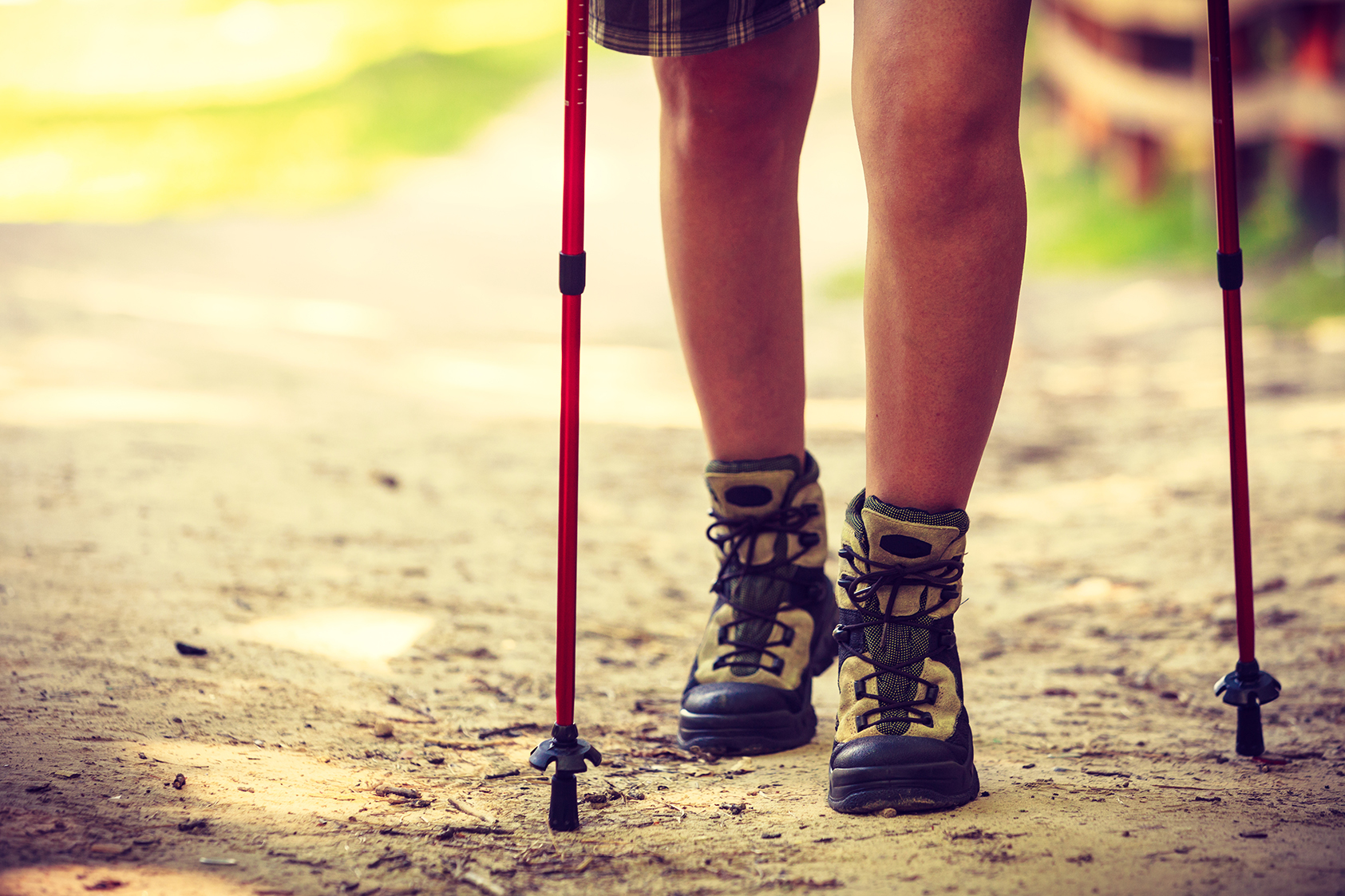
Why Muscle and Bone Health Matter for Healthy Aging
As we age we naturally lose muscle and bone strength— especially after age 50. This can lead to:
- Reduced mobility
- Higher risk of falls, fractures, and osteoporosis
- Trouble with daily activities (e.g., getting up from a chair, climbing stairs)
- Slower metabolism and weight gain
The good news! You can take action now to protect your strength, balance, and independence.
Strength Training = Stronger Muscles and Bones
Regular strength training is one of the best things you can do for healthy aging.
Benefits of Strength Training:
- Maintains muscle mass and improves balance
- Strengthens bones and reduces fracture risk
- Helps with joint pain and posture
- Helps reduce stress and boost your mood
- May support long-term weight management
Try resistance exercises(using weights, resistance bands, or your own body weight)2–3 times per week.
Helpful Resources:
Why Protein is Essential – Especially as We Get Older
Protein plays a vital role in:
- Maintaining and building muscle
- Supporting bone strength
- Aiding tissue repair and recovery
- Helping the immune system function properly
Protein Sources
| Food | Amount (approx., check labels) |
| 3 oz chicken or turkey | 26 g |
| 1 egg | 6 g |
| ¾ cup Greek yogurt | 17–20 g |
| ½ cup cottage cheese | 14 g |
| ¾ cup lentils or beans | 13–15 g |
| ½ cup tofu or tempeh | 10–15 g |
| 2 tbsp peanut butter | 7 g |
| 1 cup milk or soy beverage | 8 g |
| 1 slice cheese (30 g) | 6–7 g |
| Protein bar or shake | 15–30 g |
Tip: Aim for 20–30 g of protein per meal and include smaller amounts at snacks throughout the day.
What About Medications like “Ozempic”, “Rybelsus”, “Mounjaro” or “Wegovy” ?
These are types GLP-1 medications that are often used for diabetes and/or weight management. GLP-1 is a hormone that helps your body manage blood sugar and control hunger. GLP-1 stands for glucagon-like peptide-1. These medications typically help:
- Lower blood sugar
- Reduce appetite
- Promote weight loss
- Reduce frequent mental thoughts about food, sometimes called “food noise”
Managing Side Effects of GLP-1 Medications
It’s common to experience nausea, early fullness, bloating, diarrhea, constipation, or heartburn when starting or increasing these medications. These side effects are often temporary and can be managed by adjusting your eating habits.
Tips to Managing Side Effects:
- Eat smaller portions — avoid large meals
- Choose lower-fat foods — greasy or fried foods can worsen nausea
- Lower fibre temporarily if bloating or gas is an issue
- Eat slowly and stop when comfortably full
- Drink fluids between meals — not during
- Avoid laying down right after eating
If side effects are bothering you, book a session with a Registered Dietitian or Certified Diabetes Educator.
How to Protect Muscle and Bone During Weight Loss
You can help prevent muscle loss and support healthy aging, especially if you are taking GLP-1 medications, by:
- Eating enough protein each day
- Including healthy fats and carbohydrates in your meals
- Doing strength training 2–3 times per week
- Staying physically active (walking, light cardio, stretching)
- Losing weight slowly, not drastically
- Checking in with your care team
- Ask your doctor, pharmacist, or dietitian if you may need vitamin or mineral supplements (like calcium or vitamin D) Try the Osteoporosis Canada Calcium Calculator
Final Takeaways
- GLP – 1 medications can be a helpful tool for managing blood sugar and supporting weight loss — but your daily habits protect your long-term health.
- Muscle and bone loss are not inevitable — physical activity and adequate nutrition can slow or prevent them.
Focus on:
- Protein-rich meals
- Regular strength training
- Gradual, steady changes
- Managing side effects early to stay on track
Reach out to our Diabetes Team — we’re here to help you feel your best while reaching your goals. Call 905-885-2626 ext 238.